The Actual Math on Whether a Dupe Saves You Money Long-Term
A dupe’s lower price tag looks like an obvious win at the checkout, but that upfront number skips the calculation that actually determines whether it was a good buy — how long it lasts and how many times it gets worn before falling apart. Here is why upfront price comparison misses the real picture, the specific math worth doing before buying a dupe, and when the original genuinely wins once the full calculation is run.

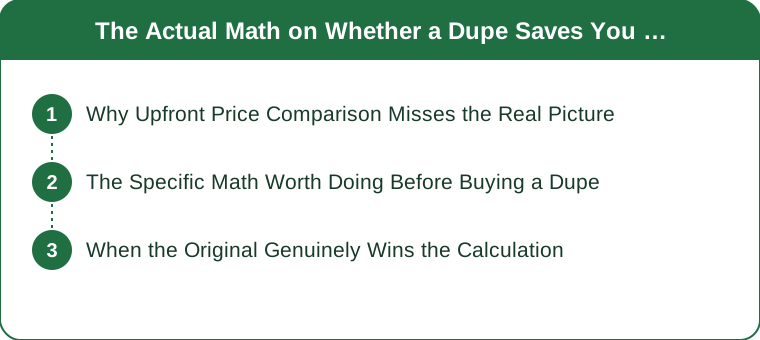
Why Upfront Price Comparison Misses the Real Picture
The incomplete comparison: the the-purchase-price-is-only-one-input-in-actual-value (the sticker price representing just one variable in a calculation that should also include expected lifespan and wear frequency — the price-alone-answers-a-different-question-than-value-does), the the-dupes-often-use-different-fabric-or-construction-that-affects-longevity (the cost savings on a dupe frequently coming specifically from using a less durable fabric blend or simpler construction, which directly shortens lifespan compared to the original from the activewear-dupes-what-to-know-before-you-buy-guide logic — the the-savings-mechanism-itself-often-directly-trades-away-durability), the the-a-cheaper-item-worn-fewer-times-can-cost-more-per-wear-than-a-pricier-one (the actual cost-per-wear sometimes running higher for a cheap item replaced twice than for one durable original purchased once — the cost-per-wear-can-flip-the-verdict-that-price-alone-suggested), the the-replacement-shopping-time-and-effort-has-a-real-if-unmeasured-cost (the time spent repeatedly researching and replacing a shorter-lived item being a real cost that a simple price comparison doesn’t capture at all — the time-cost-of-repeat-shopping-is-real-even-if-its-not-a-dollar-figure), the the-marketing-of-dupes-emphasizes-the-savings-moment-not-the-ownership-period (the promotional framing around dupes naturally emphasizing the immediate lower price rather than the multi-year ownership experience — the the-marketing-focus-matches-the-moment-of-purchase-not-the-full-ownership-timeline), and the reframe (the upfront-price comparison as answering only the first half of the actual question — the second half, which determines real value, is how long the item lasts and how it performs across its lifespan).

The Specific Math Worth Doing Before Buying a Dupe
The actual calculation: the estimate-realistic-expected-lifespan-for-each-option (the making an honest, evidence-based estimate of how many wears or months each option will likely last, based on known fabric quality and construction differences — the an-honest-lifespan-estimate-is-the-single-most-important-input), the the-divide-price-by-estimated-total-wears-not-by-a-single-wear (the calculating cost per wear for both items using the estimated total lifespan, not treating either as a one-time cost — the cost-per-wear-not-purchase-price-is-the-actual-comparable-number), the the-factor-in-the-likely-number-of-replacement-cycles-over-a-fixed-time-period (the projecting how many times a shorter-lived option would need replacing over, say, a two-year period, and multiplying its cost accordingly — the projecting-forward-over-a-fixed-period-reveals-the-real-total-cost-difference), the the-account-for-resale-or-longevity-of-condition-if-relevant (the considering whether an item is likely to be donated, resold, or kept in wearable condition longer, which affects the practical value it delivers beyond pure wear count — the condition-over-time-is-a-secondary-but-real-factor-in-the-full-picture), the the-weigh-in-any-known-fit-or-comfort-differences-that-affect-actual-usage-frequency (the a less comfortable or worse-fitting dupe potentially getting worn less often in practice, which changes its real per-wear value even if durability were identical — the actual-usage-frequency-not-just-theoretical-durability-affects-the-real-math), and the frame (the actual math as estimating realistic lifespan honestly, calculating true cost per wear, projecting forward over a fixed time period, factoring in resale or longevity of condition, and accounting for real usage frequency differences — a genuinely different and more complete calculation than comparing two price tags).
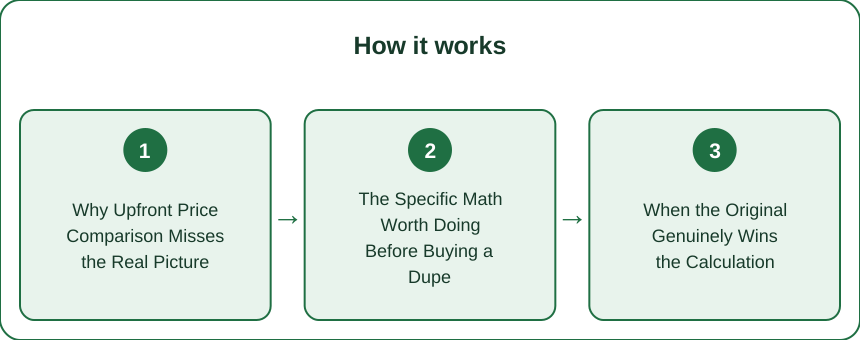
When the Original Genuinely Wins the Calculation
Where the math favors the original: the frequently-worn-staple-items-where-durability-differences-compound-fastest (the pieces worn very often accumulating wear-related cost differences fastest, making durability the dominant factor in items used almost daily — the high-frequency-items-are-where-durability-differences-matter-most-in-total), the the-items-with-a-well-documented-significant-construction-quality-gap (the situations where the dupe’s construction quality gap from the original is well-documented and significant, rather than marginal or unclear from the how-to-compare-a-dupe-to-the-original-guide logic — the a-genuinely-significant-not-marginal-quality-gap-tips-the-math-toward-the-original), the the-items-where-fit-or-performance-differences-are-noticeable-and-affect-actual-use (the a meaningfully worse fit or performance on the dupe reducing how much real use it gets, undercutting its lower per-wear cost in practice — the reduced-actual-use-from-a-worse-fit-erodes-the-dupes-theoretical-cost-advantage), the the-situations-where-warranty-or-return-policy-differences-are-substantial (the a significantly better warranty or return policy on the original adding real financial protection value that the raw price comparison doesn’t capture from the activewear-warranty-and-return-policy-guide logic — the warranty-and-policy-differences-are-a-real-and-often-overlooked-part-of-the-total-value-comparison), the the-when-the-price-gap-between-original-and-dupe-is-actually-fairly-small (the a narrower price gap making the durability and quality differences much more likely to outweigh the modest upfront savings — the a-small-price-gap-means-even-modest-durability-differences-can-flip-the-verdict), and the frame (the situations favoring the original as frequently worn staples, a well-documented significant construction gap, noticeable fit or performance differences affecting real usage, meaningful warranty or policy differences, and a narrower price gap to begin with — specific, checkable conditions rather than a blanket claim that originals are always worth it).
A dupe’s lower upfront price tag skips the calculation that actually determines value — expected lifespan and real cost per wear — and the cost savings on a dupe often comes specifically from using a less durable fabric or simpler construction, which directly shortens how long it lasts. Do the real math by honestly estimating each option’s realistic lifespan, calculating true cost per wear rather than comparing purchase prices, projecting how many replacement cycles a shorter-lived option would need over a fixed period like two years, and factoring in whether a worse fit or performance might reduce how often the dupe actually gets worn in practice. The original genuinely wins the calculation for frequently worn staple items where durability differences compound fastest, when there’s a well-documented significant construction quality gap, when fit or performance differences are noticeable enough to affect real usage, when warranty or return policy differences are substantial, and whenever the price gap between the two options was fairly narrow to begin with.
Keep Reading
This article is for general informational and styling purposes only. Fit, sizing, and product availability may vary.