Dupe Shopping Red Flags: Spotting the Bad Copy Before Checkout
For every great dupe there are five bad copies wearing its photos — sometimes literally. The pre-checkout forensics: the listing red flags, the review-reading method and the pricing math that separates smart-value from stolen-photo disappointment.

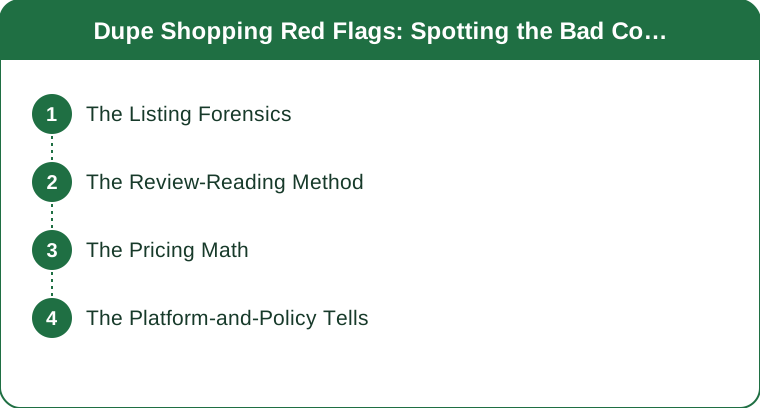
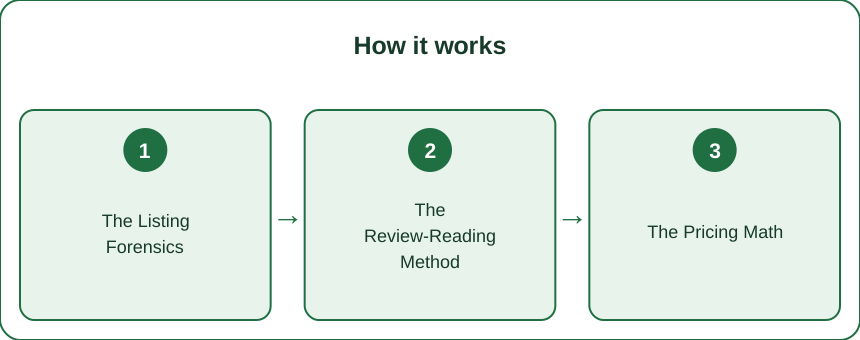
The Listing Forensics
Reading the page like a detective: the stolen-photo check (reverse-image-search the product photos — listings using the original brand’s photography are announcing the product you see isn’t the product you’ll get; the biggest single red flag in the genre), the detail-shot audit (legitimate dupes photograph their OWN seams, waistbands and fabric close-ups — the listing with only glamour shots is hiding the answers), the spec-language test (real fabric compositions and weight specs versus ‘premium quality material’ vagueness — sellers who know their product state it), and the brand-adjacent naming trick (the listings dancing around trademark with lookalike names signal a copy-of-a-copy tier).
The Review-Reading Method
Mining the truth: the photo-review priority (customer photos outrank customer stars — the fabric in a buyer’s bathroom lighting is the honest product page), the keyword searches (‘after washing’, ‘see-through’, ‘runs small’, ‘smell’ — the search-within-reviews function is the forensics lab; chemical-smell mentions especially flag the lowest tier), the review-distribution read (the wall of five-stars with identical phrasing is manufactured; the healthy product has a 4-something average with detailed threes), and the date-sort trick (recent reviews catch quality drift — the great dupe of last year sometimes cost-cuts into this year’s regret).

The Pricing Math
The too-good thresholds: the floor-price reality (fabric, elastane and construction have real costs — the $6 ‘premium squat-proof’ legging is priced below its own materials; something gave, and it’s the thing you wanted), the sweet-spot band (good dupes typically run 25-40% of the original’s price — enough margin for real fabric; the 10%-of-original tier is a different product category wearing the same tags), the shipping-and-returns arithmetic (the cheap listing with $12 return shipping is a no-returns listing in costume — price the exit before the entrance), and the haul-math trap (five bad dupes cost one good original — the cart that grows on cheapness delivers a drawer of almosts).
The Platform-and-Policy Tells
The structural signals: the return policy IS the confidence signal (sellers who accept easy returns believe their product survives inspection — the final-sale and returns-to-overseas-warehouse tiers are betting you won’t bother), the platform patterns (marketplace listings with brand-new seller accounts and single products carry different odds than established shops with catalog depth), the size-chart specificity (real charts with garment measurements versus the S/M/L vibes chart — the measured chart signals a seller who handles their inventory), and the one-audition rule (new seller or brand gets ONE item’s worth of trust — the audition order before the haul; the checkout forensics end where your own wash-test begins). Detective work costs five minutes; the drawer of regrets costs more.
Reverse-search the photos, search reviews for ‘after washing’, respect the floor price, read the return policy first. Bad dupes announce themselves — five minutes of forensics reads the announcement.
See It in Motion
Seen here: High Waist Embossed Yoga Leggings with Side Pockets — shop it on bubblelime.com
Keep Reading
This article is for general informational and styling purposes only. Fit, sizing, and product availability may vary.