The Seam Detail That Actually Tells You a Dupe Is Worth Buying
Quick Answer: Flatlock or four-thread overlock seams (flat, interlocking stitches that lie smooth against the skin without a raised ridge) are the specific construction detail that separates a genuinely durable activewear dupe from one that will pill, fray, or rip at the seam within a few wears — a simple single-line straight stitch or a raised, bulky seam is the clearest visual warning sign of a lower-durability construction, regardless of how good the fabric feels.
Checking seam type specifically (not just overall fabric feel) is a more reliable dupe-quality signal than most shopping guides emphasize.

Why does seam type matter more than people expect when evaluating a dupe?
Activewear experiences repeated stretching and friction at the seams specifically — squatting, reaching, sitting — and a flatlock or four-thread overlock seam is specifically engineered to flex and stretch with the fabric without popping stitches or creating chafing, unlike a basic straight seam that’s more prone to both.
A dupe can use fabric that feels nearly identical to the original brand yet fail much faster simply because it was constructed with a cheaper, less flexible seam type, which is why checking seam construction specifically catches durability issues that a fabric-feel check alone misses.
How can you actually identify seam type when shopping, especially online?
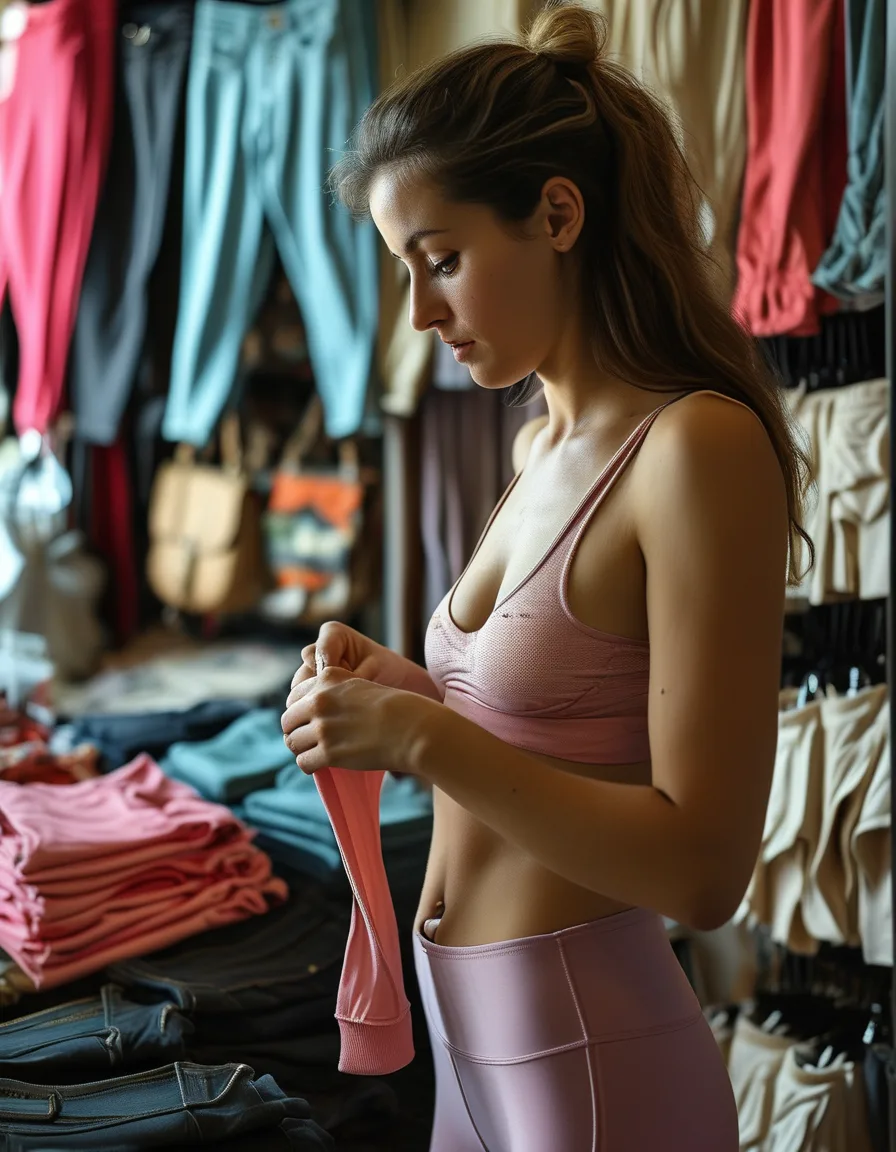
For in-person shopping, turning the garment inside out and looking for a flat, interlocking stitch pattern (rather than a single raised line of stitching) is the key visual check — flatlock seams look almost woven into the fabric rather than sitting on top of it.
For online shopping, zooming into close-up product photos (if available) or specifically searching customer reviews for mentions of ‘seams,’ ‘ripping,’ or ‘unraveling’ are the most reliable ways to get this information before buying, since seam type usually isn’t stated directly in a product description.
5 Mistakes People Make When Judging Dupe Quality
Mistake 1: Judging quality entirely by how the fabric feels off the rack, without checking seam construction.
Mistake 2: Assuming a higher price within the dupe category automatically means better seam quality.
Mistake 3: Not checking reviews specifically for durability complaints like seam ripping or fraying after washing.
Mistake 4: Skipping the inside-out inspection that would reveal seam type in a physical store.
Mistake 5: Assuming all seams in a single garment are the same quality — high-stress areas (crotch seam, waistband) sometimes use a different, lower-quality construction than more visible seams.
Is there a specific high-stress area worth checking more carefully than the rest of the garment?
The crotch seam and inner thigh seam in leggings experience the most repeated stretch and friction, making them the most common failure point regardless of overall garment quality, so specifically checking this area’s seam construction (reinforcement, stitch density) is more predictive of long-term durability than checking a less-stressed seam like a side seam.
Some higher-quality dupes specifically reinforce this exact area with additional stitching or a gusset panel, which is a positive quality signal worth looking for specifically in that location.
FAQ: Dupe Seam Quality Questions, Answered
Does a flatlock seam always mean the garment is higher quality overall?
It’s a strong positive indicator, though it should be considered alongside fabric weight and overall construction rather than as the sole quality signal.
Can seam quality be improved or repaired if it starts to fail?
A seam that’s beginning to fray can sometimes be reinforced by a tailor with additional stitching, though this is more of a stopgap than a permanent fix for fundamentally poor original construction.
Do all original, non-dupe brands always use flatlock seams?
Most reputable activewear brands do, though it’s still worth checking, since seam quality can vary even within a single brand’s different product lines.
TL;DR:
- Flatlock or four-thread overlock seams are a stronger durability signal than fabric feel alone
- Turning a garment inside out reveals seam type directly for in-person shopping
- The crotch and inner thigh seam experience the most stress and are the most common failure point
- Reviews mentioning seam ripping or fraying are a reliable online-shopping red flag to watch for
A dupe with great fabric but poor seams still won’t last — checking construction specifically closes that gap in judgment.
Keep Reading
This article is for general informational and styling purposes only. Fit, sizing, and product availability may vary.