The One Detail That Reveals a Dupe's Quality Before You Ever Try It On
A dupe’s color and print can match the original almost exactly while the actual wearing experience falls apart within a month, and the detail that predicts that gap is almost never the one shoppers check first. Here’s why fabric weight is the more honest signal, and how to check it before ever trying the piece on.
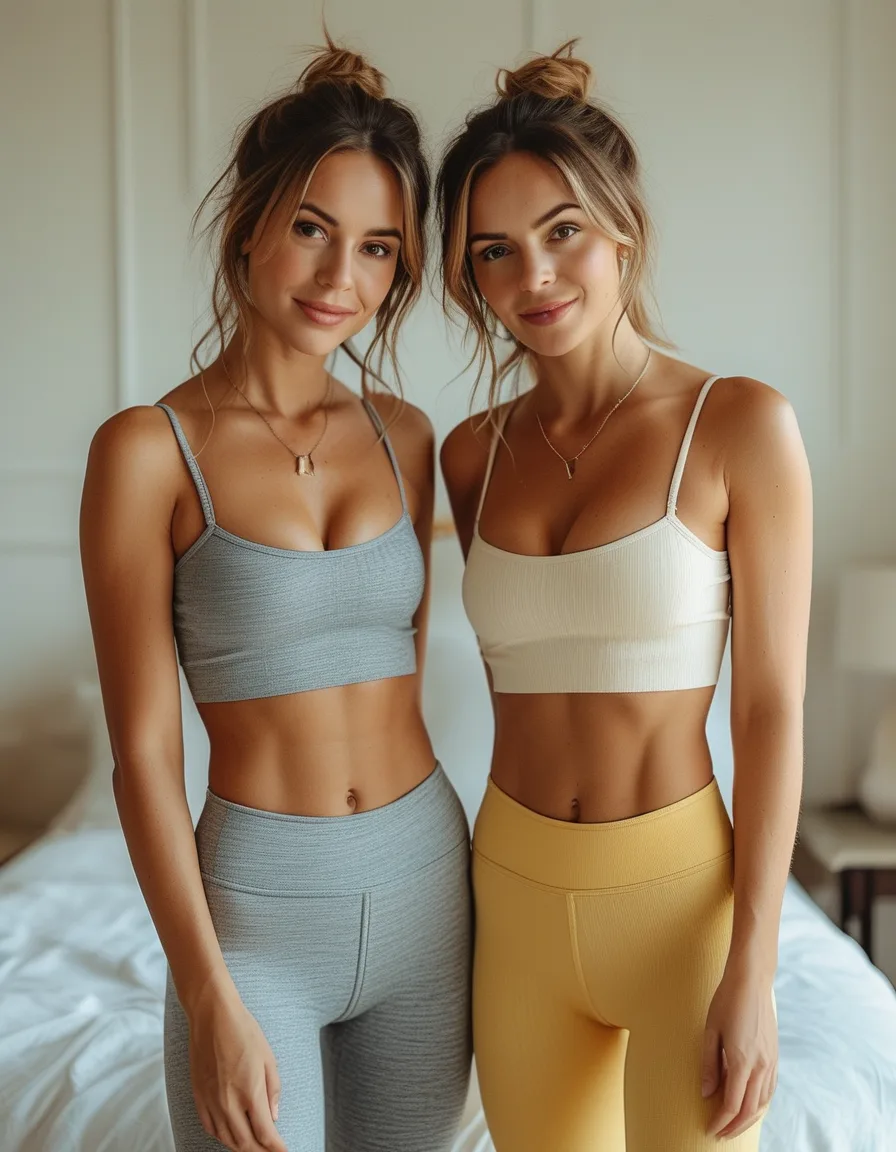
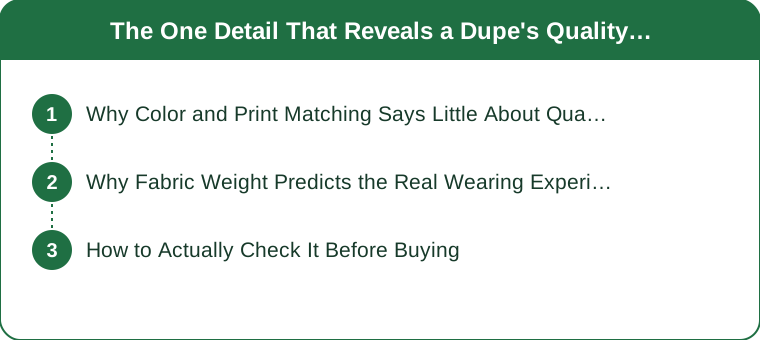
Why Color and Print Matching Says Little About Quality
The real gap: the the-print-and-color-are-the-cheapest-elements-for-a-manufacturer-to-replicate-exactly (the dye patterns and prints being relatively inexpensive and straightforward for any manufacturer to copy precisely, which is why even a low-quality dupe can nail this part while cutting corners everywhere else — the matching-print-and-color-is-the-easiest-and-least-informative-part-of-a-dupe-to-get-right), and the reframe (a close print match confirming almost nothing about the fabric quality or durability underneath it).
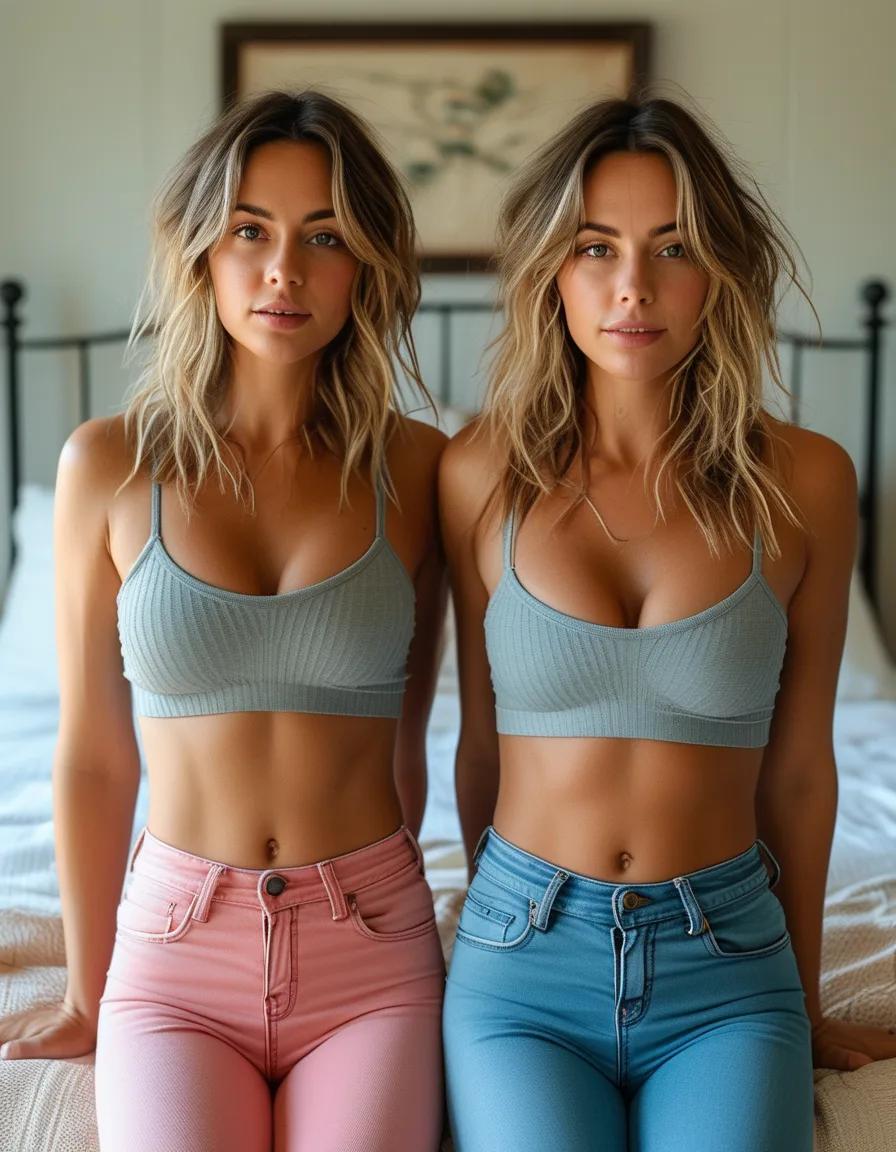
Why Fabric Weight Predicts the Real Wearing Experience
The mechanism: the the-a-lighter-fabric-weight-than-the-original-usually-signals-thinner-yarn-and-lower-compression-durability (the a noticeably lighter feel in the hand compared to the original typically indicating thinner yarn construction, which directly predicts less compression support and faster pilling or sheerness over time — the fabric-weight-tracks-durability-and-support-in-a-way-print-matching-never-can), and the frame (the weight difference being detectable in-store, well before the piece is ever worn through a workout).
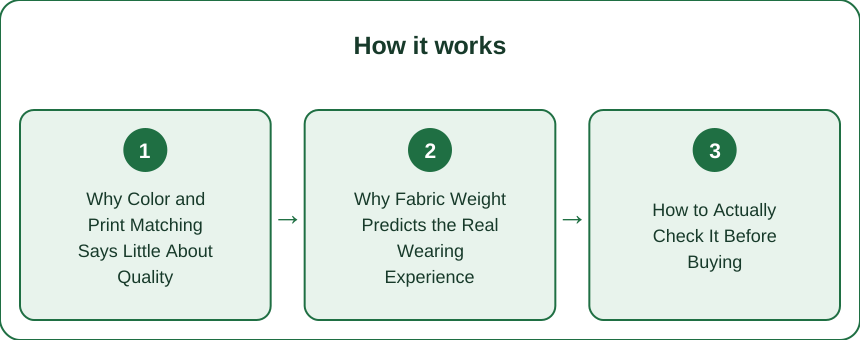
How to Actually Check It Before Buying
The practical method: the the-holding-the-fabric-up-to-light-and-comparing-stretch-recovery-reveals-weight-differences-a-glance-wont-catch (the stretching a section of the fabric and watching how quickly it snaps back, combined with holding it up to a light source to check for sheerness, together revealing weight and density differences that a quick glance or photo comparison completely misses — the the-stretch-and-light-test-catches-the-weight-gap-that-visual-comparison-alone-cannot), and the frame (this simple two-step check taking under a minute and predicting durability far more reliably than how closely the print matches)).
Print and color are the cheapest, easiest parts of an original for any manufacturer to copy exactly, which is why a close visual match says almost nothing about what’s actually holding the piece together. Fabric weight is the more honest tell — a noticeably lighter feel usually means thinner yarn, less compression support, and faster pilling down the line — and a quick stretch-and-light check in store catches that gap in under a minute, long before a print comparison ever would.
Keep Reading
This article is for general informational and styling purposes only. Fit, sizing, and product availability may vary.