The 5-Minute Test That Tells You If an Activewear Dupe Will Hold Its Shape
Quick Answer: Stretch a small section of the fabric firmly for 10 seconds and release — if it snaps back to its original shape within a couple seconds, the fabric has good recovery; if it stays visibly stretched or takes several seconds to settle, it’s likely to sag and bag out within weeks of regular wear.
This is one of the few dupe quality checks you can actually do in-store or from online swatch photos, before committing to the purchase.
Why Does Fabric Recovery Matter More Than It Seems?
Recovery — how well a fabric snaps back after being stretched — is largely determined by the percentage and quality of elastane (spandex) in the blend, plus how it’s knitted. Original brands typically use 8-12% elastane with tightly controlled knitting; some dupes cut costs by using less elastane or a lower-grade version that degrades faster with washing and wear.
Poor recovery is exactly why cheap leggings develop that baggy-knee, saggy-waistband look within a month, even if they looked identical to the original on day one.
How Do You Actually Do the Test?
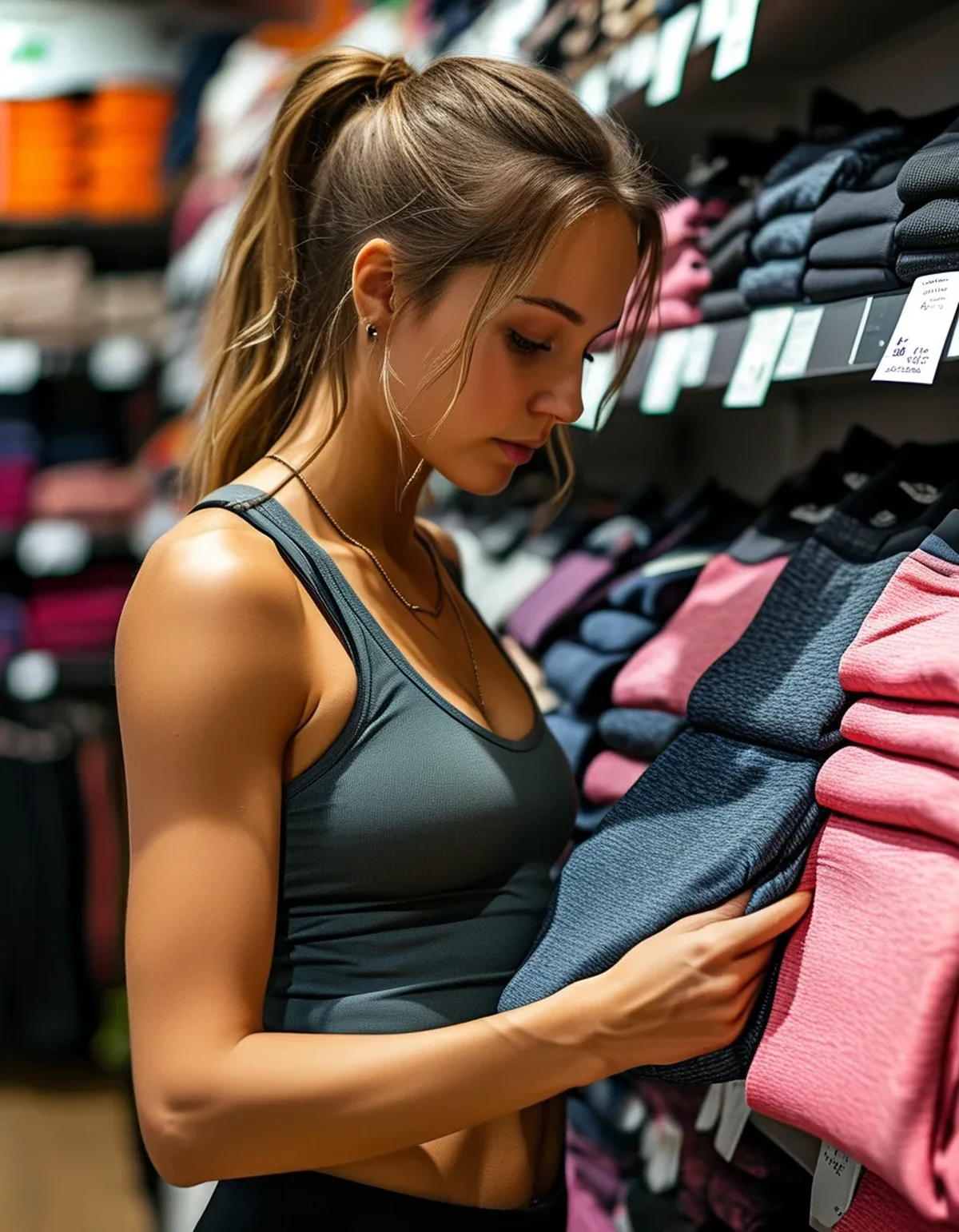
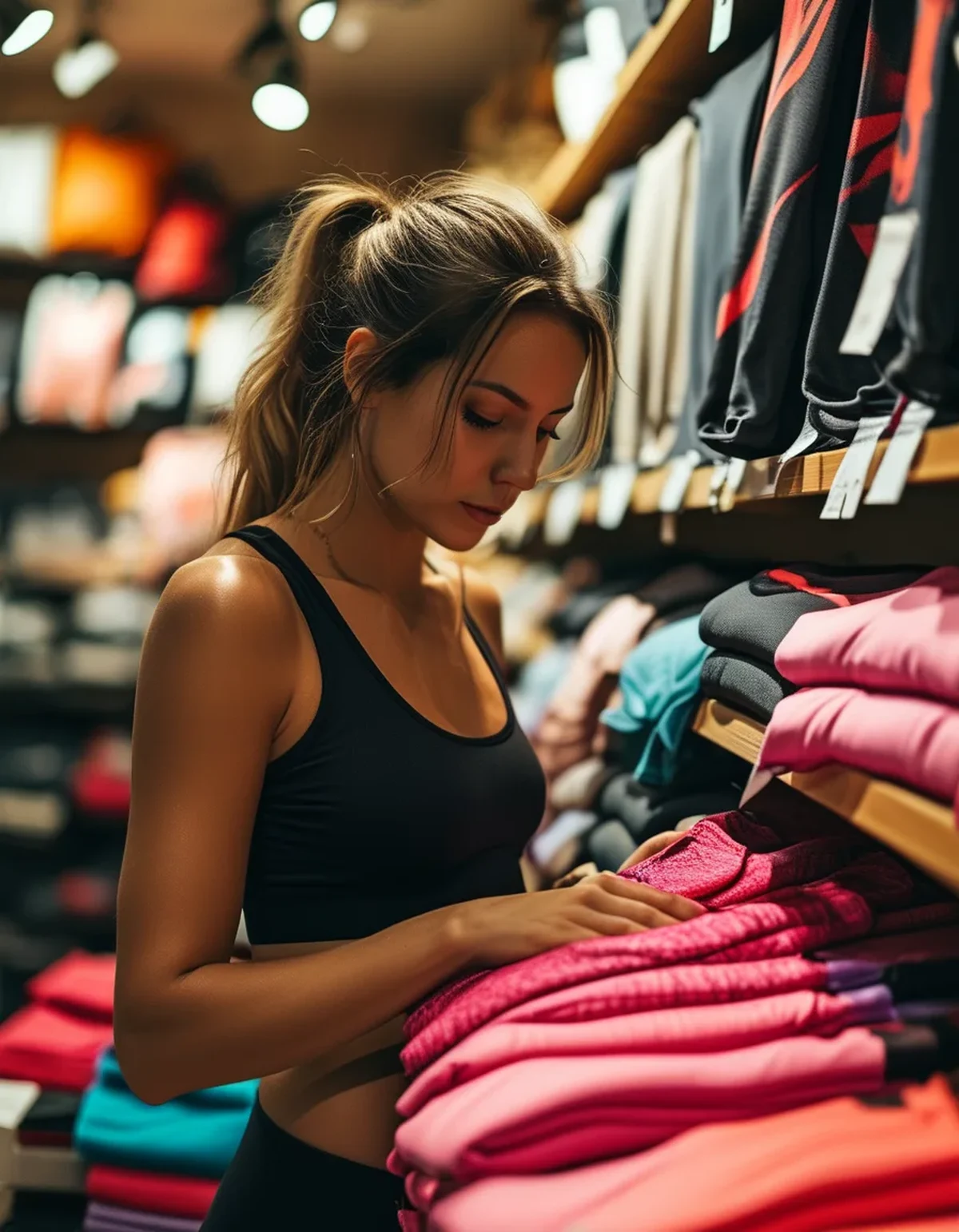
Pinch a section of fabric — waistband or a stretchy panel is ideal — and stretch it firmly to about double its resting length, hold for 10 seconds, then release and watch closely. Good fabric snaps back to close to its original size within 1-2 seconds. Fabric that stays visibly stretched, or slowly creeps back over 5-10 seconds, has weaker recovery and will likely show it after a few wears and washes.
If you’re shopping online, look for close-up video reviews where someone does something similar, or check reviews specifically mentioning ‘baggy after a few washes’ as a red flag.
What’s the Seam and Weight Tell, and How Does It Relate?
Fabric weight and seam construction are related quality signals worth checking alongside recovery. Heavier fabric (look for grams-per-square-meter if listed, generally 220gsm+ for leggings) tends to pair with better recovery because it usually means a denser knit. Flatlock or four-way stitched seams that don’t pucker when stretched are another sign of the same underlying fabric and construction quality.
A dupe that fails the recovery test but has decent seams might still be wearable for occasional low-intensity use — just don’t expect gym-daily durability from it.
Does Price Reliably Predict This?
Not as reliably as people assume — some mid-priced dupes use genuinely good fabric while cutting costs elsewhere (packaging, marketing, fewer color options), and some expensive dupes still cheap out on the elastane blend because most buyers never test recovery before purchasing. Price is a weak proxy; the actual fabric test is a much better signal.
This is part of why the dupe math on ‘cheaper equals worse’ doesn’t always hold — testing individual products matters more than assuming a price tier tells you the answer.
What Should You Do If You Can’t Physically Test It Before Buying?
For online purchases, check the return policy specifically for fabric quality issues, read the most critical reviews (not just the top ones) for mentions of sagging or shape loss, and if the listing mentions elastane percentage, treat anything under 8% as a caution flag for leggings meant for real workout use.
Buying one piece to physically test before ordering a full capsule wardrobe from the same dupe source is the safest approach if you’re unsure — a $15-25 mistake is a lot cheaper than a full wardrobe mistake.
FAQ: Dupe Fabric Recovery Questions, Answered
Does washing affect the recovery test result?
Yes — always test on fabric close to how you’ll actually wear it; brand-new-off-the-rack fabric can feel better than it performs after a few wash cycles, so treat the initial test as a baseline, not a guarantee.
Is a lower elastane percentage always bad?
Not for every use — lower-stretch fabric can be fine for looser, less compression-dependent styles like joggers, but it’s a real liability for fitted leggings meant for high-movement workouts.
Can washing habits improve recovery on fabric that tested poorly?
Cold washing and air drying slow the degradation of elastane, but they won’t fix fabric that already had poor recovery from a low-quality blend to begin with.
TL;DR:
- A 10-second stretch-and-release test predicts whether fabric will sag over time
- Recovery is mostly about elastane quality and percentage, not brand name
- Fabric weight and seam construction are supporting signals, not substitutes for the test
- Price doesn’t reliably predict recovery quality — test individual products
It’s a 30-second check that can save you from a wardrobe full of leggings that looked great for exactly one wear.
See It in Motion
Seen here: High Waist Yoga Leggings with Inner Pocket — shop it on bubblelime.com
Keep Reading
This article is for general informational and styling purposes only. Fit, sizing, and product availability may vary.